

Why High-Performance Homes Require Smaller Heating Systems
For decades, heating systems in residential homes were often oversized. Builders and contractors preferred caution. A larger furnace or heat pump seemed safer than risking insufficient warmth during winter. However, the rise of high-performance homes has changed this approach. Improved insulation, airtight construction, and better glazing significantly reduce heat loss. As a result, these homes no longer require the same heating capacity as traditional structures. To learn more about this shift, it is important to understand how high-performance homes manage energy. The building envelope plays a central role. When heat stays inside more effectively, the demand placed on mechanical systems drops. This shift reshapes how heating equipment is selected and installed.
The Role of the Building Envelope
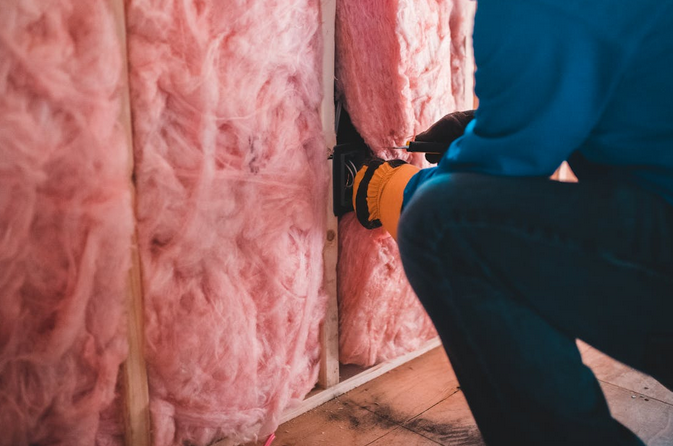
A high-performance home is built to minimize thermal transfer. Walls, ceilings, and floors include advanced insulation. Windows feature high-performance glazing. Air leakage is carefully controlled. In older homes, warm air escapes through gaps and poorly insulated surfaces. Heating systems must compensate constantly. In contrast, a well-sealed building envelope reduces that escape. The interior temperature remains stable for longer periods. Because heat loss decreases, the required heating load becomes smaller. Engineers calculate this load during design. In many high-performance homes, the numbers reveal that traditional system sizes are excessive.
Heat Retention and Thermal Stability
Thermal stability changes everything. When insulation levels are high and air leakage is limited, temperature fluctuations slow down. Rooms do not cool rapidly after sunset. Drafts are minimized. This stability allows smaller systems to maintain comfort. Instead of working at full capacity to overcome rapid heat loss, the equipment cycles gently. Consistent internal conditions reduce stress on mechanical components. High-performance homes often include thermal mass elements as well. Concrete slabs or masonry walls absorb heat during the day and release it gradually. This effect further lowers peak heating demand. Together, these factors create an environment where large equipment is unnecessary.
The Problem With Oversized Heating Systems

Oversizing heating systems in efficient homes leads to inefficiency. Large units reach target temperatures quickly, then shut off. This short cycling reduces operational efficiency and increases wear. Frequent starts and stops can shorten equipment lifespan. They also create uneven comfort. Rooms may feel overly warm briefly, then cool down between cycles. Smaller systems operate more steadily. They run longer at lower output, maintaining consistent temperatures. This approach improves comfort and reduces mechanical strain. Right-sizing equipment ensures optimal performance. It aligns capacity with actual demand rather than outdated assumptions.
Energy Efficiency and Cost Implications
Smaller heating systems typically cost less to purchase and install. Reduced capacity means fewer materials and simpler ductwork or distribution components. This can lower upfront expenses. Operational savings also follow. When systems run efficiently, energy consumption decreases. High-performance homes already reduce heating demand through design. Appropriately sized systems amplify those benefits. Utility bills reflect this synergy. Homeowners experience stable comfort without excessive fuel or electricity use. Over time, these savings contribute to overall affordability. Developers and builders recognize this financial logic. Efficient design and right-sized equipment create a practical advantage in competitive housing markets.
Integration With Modern Heating Technologies

High-performance homes often integrate advanced heating solutions. Heat pumps, hydronic systems, and radiant floors function effectively in low-load environments. Because demand is reduced, these technologies can operate at optimal efficiency levels. For example, air-source heat pumps perform best when temperature differences are moderate. In well-insulated homes, this condition is common. Mechanical ventilation systems with heat recovery further support this balance. They supply fresh air while retaining warmth. This integration reduces reliance on primary heating equipment.
How to Design for Precision
Accurate load calculations are essential. Builders and engineers must assess insulation levels, window performance, orientation, and climate conditions. Modern modeling tools provide precise estimates. These calculations ensure that heating systems match the home’s needs. Guesswork is replaced by measurable data. Proper planning prevents unnecessary oversizing. Attention to detail extends beyond equipment. Duct design, zoning, and thermostat placement influence performance. Precision ensures that smaller systems deliver consistent results. High-performance construction encourages this discipline. Every design decision supports energy efficiency and comfort.
High-performance homes redefine heating requirements. Advanced insulation, airtight construction, and thoughtful design significantly reduce heat loss. As a result, smaller heating systems become not only sufficient but preferable. Oversized equipment undermines efficiency and comfort. Right-sized systems operate steadily, reduce energy consumption, and lower costs. Integration with modern technologies further enhances performance. This shift reflects a broader transformation in residential construction. Homes are no longer built to compensate for inefficiency. They are designed to prevent energy loss from the start.…







 The first step is typically an on-site or virtual consultation. The removal company assesses the size and scope of your business premises, takes note of any special equipment or furniture, and evaluates access to and from the building. Based on this, they provide a detailed quote and time estimate. This early stage is crucial for planning and helps avoid surprises later. Professionals often break down every stage, so you know exactly what you’re signing up for. At this point, you can also communicate any special concerns or restrictions, such as tight timeframes or confidential items.
 Not all removal companies offer the same level of service, and the wrong choice can lead to delays, damage, or unexpected expenses. Look for experience, professionalism, and clear communication. Businesses in Chiswick and nearby areas have come to rely on professional services for reliable commercial relocations that prioritise both speed and care. A commercial move doesn’t have to throw your business into disarray. By knowing what to expect and choosing a reliable partner, you can transition from your old office to your new workspace smoothly and without unnecessary stress.…


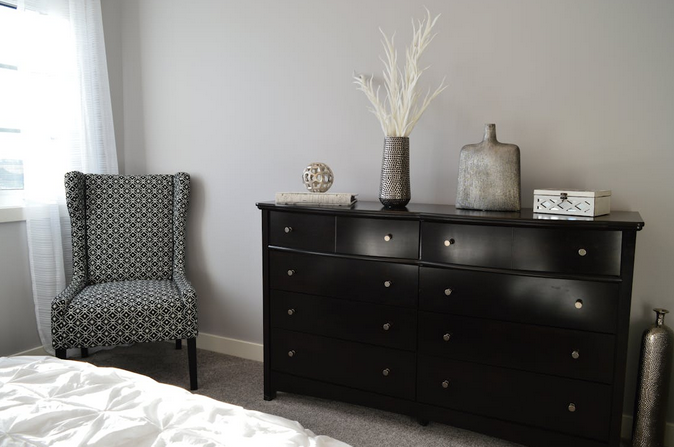
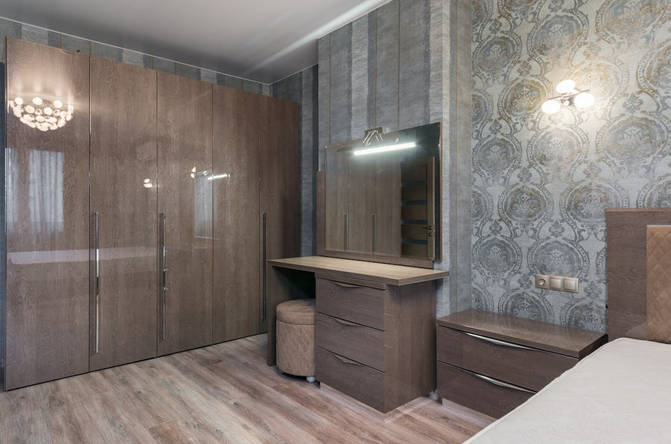


 As urban living evolves, the demand for flexible and multi-functional













 Before you can begin constructing your basement, the first step is digging deep into the ground. Excavation involves removing soil and creating a space that will serve as the foundation for your underground oasis. The excavation process requires careful planning and execution. The size and shape of your basement will determine how much earth needs to be excavated and any potential obstructions, such as rocks or tree roots, that may need to be cleared.
 When it comes to basement



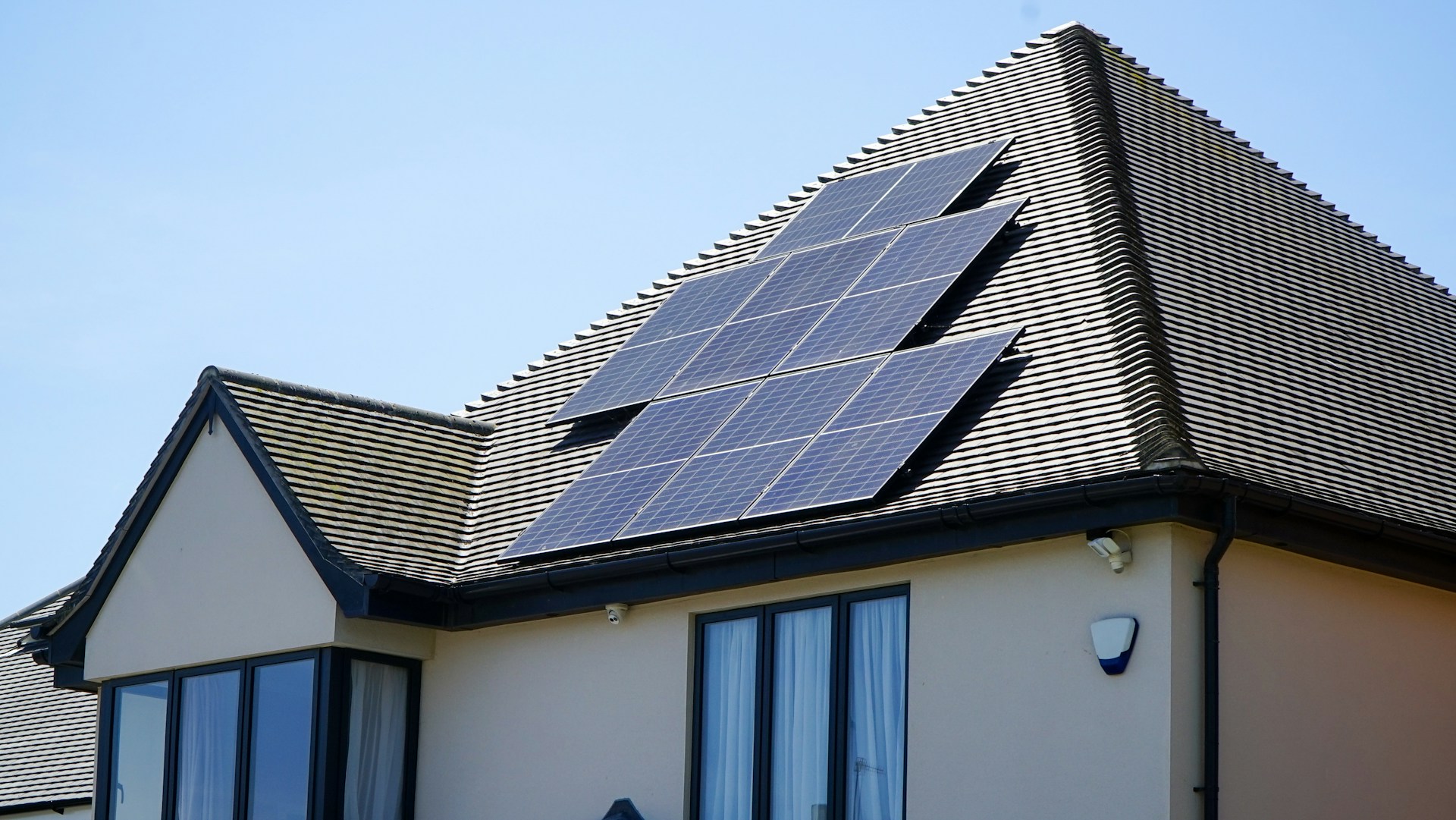
 One of the sustainable homes’ most significant financial benefits is their energy efficiency. These homes are designed to optimize energy usage, resulting in lower utility bills for homeowners. Energy-efficient features such as solar panels, LED lighting, insulation, and high-performance windows help reduce reliance on traditional energy sources and minimize energy wastage.


 Recycled and reclaimed materials are an excellent option when building or renovating a green home. These materials not only help reduce the demand for new resources but also contribute to reducing waste and promoting sustainability. One popular choice is recycled glass, which can be used for countertops, tiles, and even decorative accents. It adds a unique touch to your home while diverting glass from landfills. Another option is reclaimed wood, which gives character and warmth to any space. You can find beautiful pieces of wood from old barns or salvaged furniture that can be repurposed into flooring, wall paneling, or furniture. If you’re looking for eco-friendly insulation options, consider using recycled denim or cellulose insulation made from recycled newspapers.



 Finally, real estate agents handle all the paperwork to sell a home. From contracts to closing documents, agents are familiar with the paperwork required for a successful home sale. They can ensure that everything is in order to make sure your transaction goes as smoothly as possible.
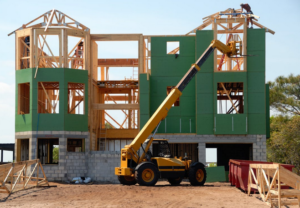 Hiring a qualified contractor is one of the most important steps in building a new home. A good contractor can help you with every step of the process, from obtaining the permits to actually constructing the house. They will also be able to advise and answer any questions you may have. Which is why it is so important that you take the time to find a contractor that you can trust. If your family recommends you a contractor, that is a good place to start.
 The materials you use for your new home will greatly impact its overall appearance and quality. You will want to choose materials that are durable and look good. However, you also need to make sure that you can afford them. Talk to your contractor about what kinds of materials they recommend and get a few quotes before making your final decision. You must invest in high-quality materials, as they will make a big difference in the overall look of your home.
 One of the essential functions of photographs is that they help us remember. When we look at pictures, we’re not just looking at an image – we’re also triggering memories associated with that image. These memories can be happy, nostalgic, or even bittersweet. But regardless of their emotional tone, they are potent triggers for our memories. And the more substantial the memory, the more likely we are to keep it close to our hearts.
 If you have children, it’s imperative to display photographs in your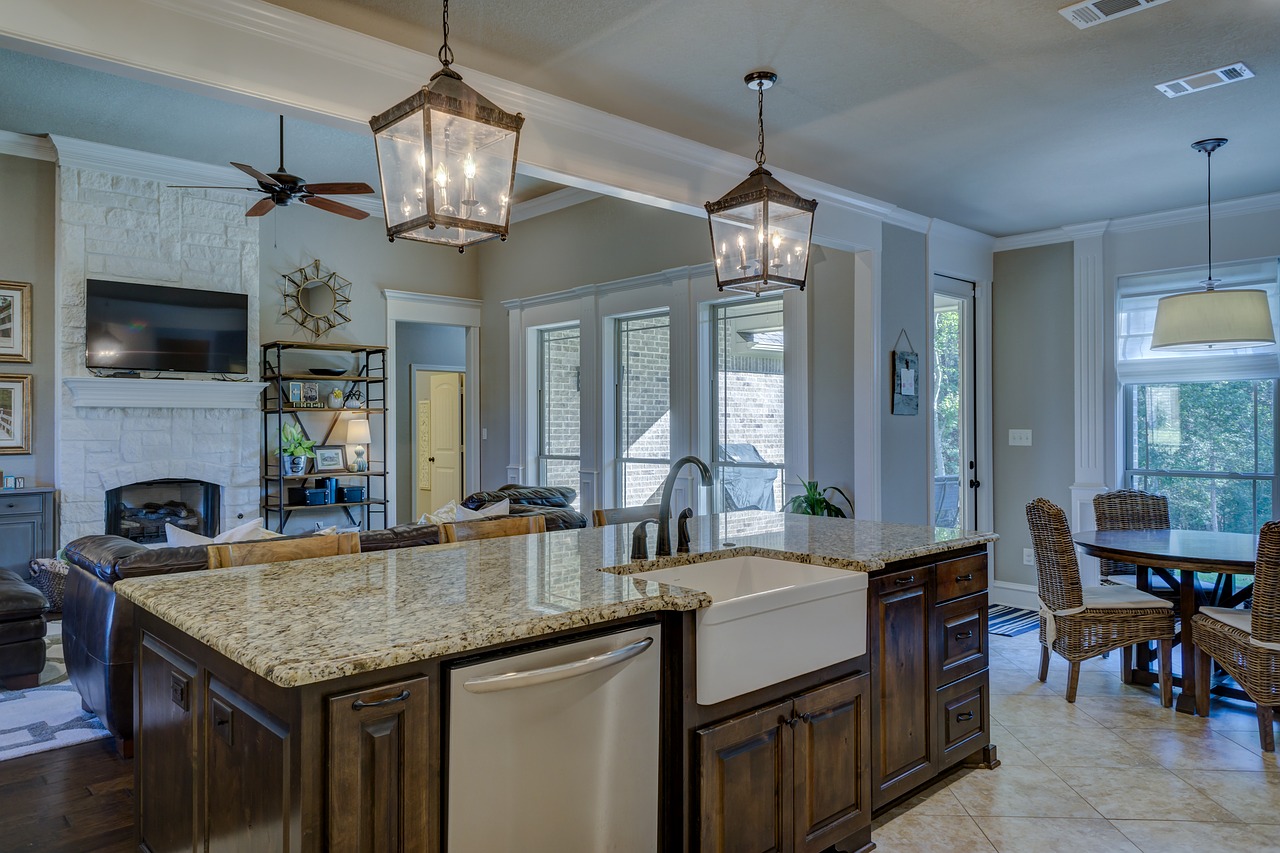
 One of the best ways to maintain your appliances is to schedule regular servicing. Many appliance manufacturers offer service plans that include regular maintenance visits from a technician. If you don’t have a service plan, you can often find an appliance repair shop that will come out to your house for a small fee. This is how many homeowners find out about small problems before they turn into big ones.
 Many homeowners try to clean their appliances with harsh chemicals, but this can damage them. Instead, use a mild detergent or baking soda to clean your appliances. And never pour water directly into the unit – always use a cloth or sponge to apply the cleaning solution. There are many cases where appliances broke down because of too much water being used. This has resulted in homeowners having to replace the appliance, which can be very expensive.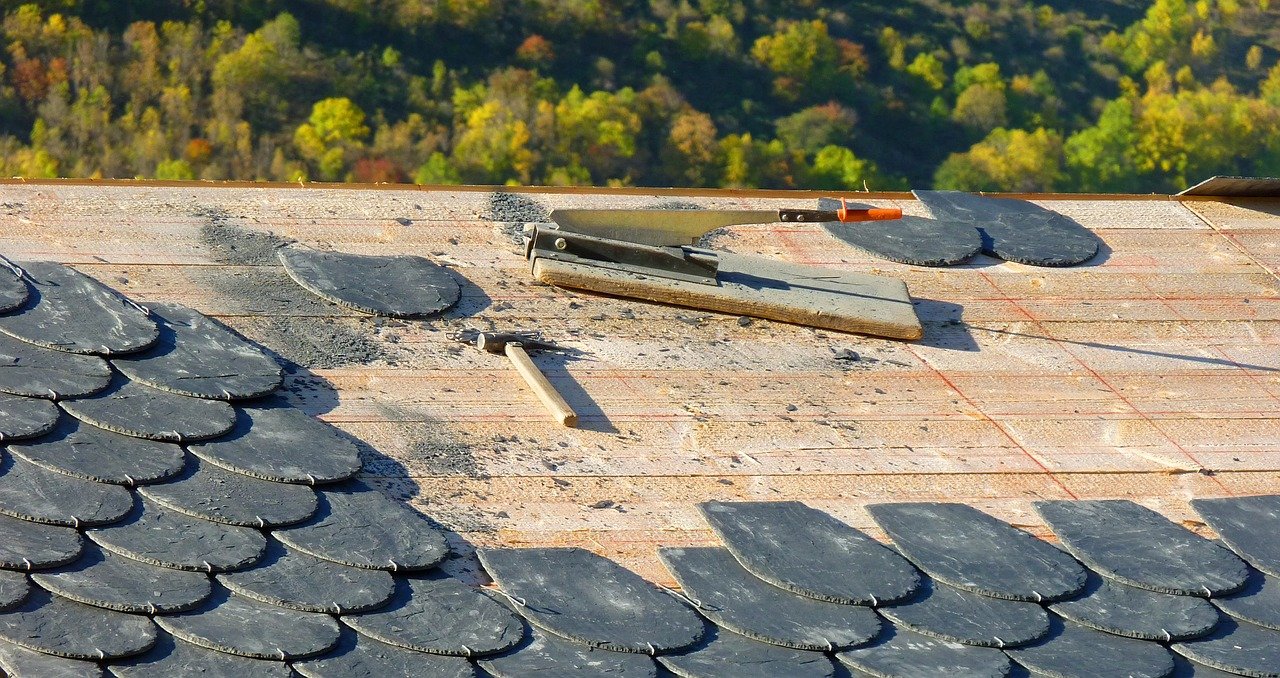
 The first step in finding the best roofing company is to do your research. This includes checking online reviews and asking for referrals from friends and family. It is important to read reviews carefully and make sure that they are recent. You should also contact the Better Business Bureau to see if there are any complaints against the company.
 Once you have chosen a few companies, it is important to schedule an interview with each of them. This will allow you to ask questions and get a feel for the company. Be sure to ask about the company’s experience, as well as the type of roofing material they plan to use. One way to make sure that you did not miss anything is to make a list of questions.
 The first step is to measure the space that you want to light. This will help you determine what size and type of fixture you need. For example, if you have a large living room, you’ll likely need a more significant light than a small bedroom. It’s also essential to incorporate a variety of levels of lighting in your home. This means having task lighting for specific areas like the kitchen, bedroom, or office and ambient light for the overall feel of the space.