
Sustainable construction has become a major focus in today’s housing and architectural industry, with designers and homeowners increasingly seeking eco-friendly solutions. You can read more on sustainable constructions at energieheld.de. Among the many technologies shaping modern ecological constructions, solar energy stands out as one of the most effective and widely adopted. By harnessing the power of the sun, solar energy reduces reliance on fossil fuels, lowers household expenses, and supports environmental preservation. Its role in modern ecological buildings goes beyond providing clean electricity—it represents a shift toward more sustainable, self-sufficient living.
Reducing Reliance on Non-Renewable Energy
One of the most important contributions of solar energy in ecological construction is the reduction of dependence on non-renewable resources. Traditional buildings consume large amounts of energy derived from fossil fuels, which significantly contribute to greenhouse gas emissions. By installing solar panels, homes and buildings can generate a significant portion of their own electricity. This not only lowers utility bills but also decreases carbon footprints, aligning construction with global goals to reduce environmental damage.
Integration with Smart Building Designs
Modern ecological constructions often integrate solar energy with advanced building technologies. Smart energy systems store and regulate solar power, ensuring efficient usage throughout the day. For example, excess energy collected during peak sunlight hours can be stored in batteries for use at night or on cloudy days. When paired with energy-efficient appliances, insulated designs, and automated systems, solar energy becomes part of a highly efficient ecosystem. This integration maximizes energy savings while maintaining comfort and convenience for homeowners.
Enhancing Property Value and Market Demand
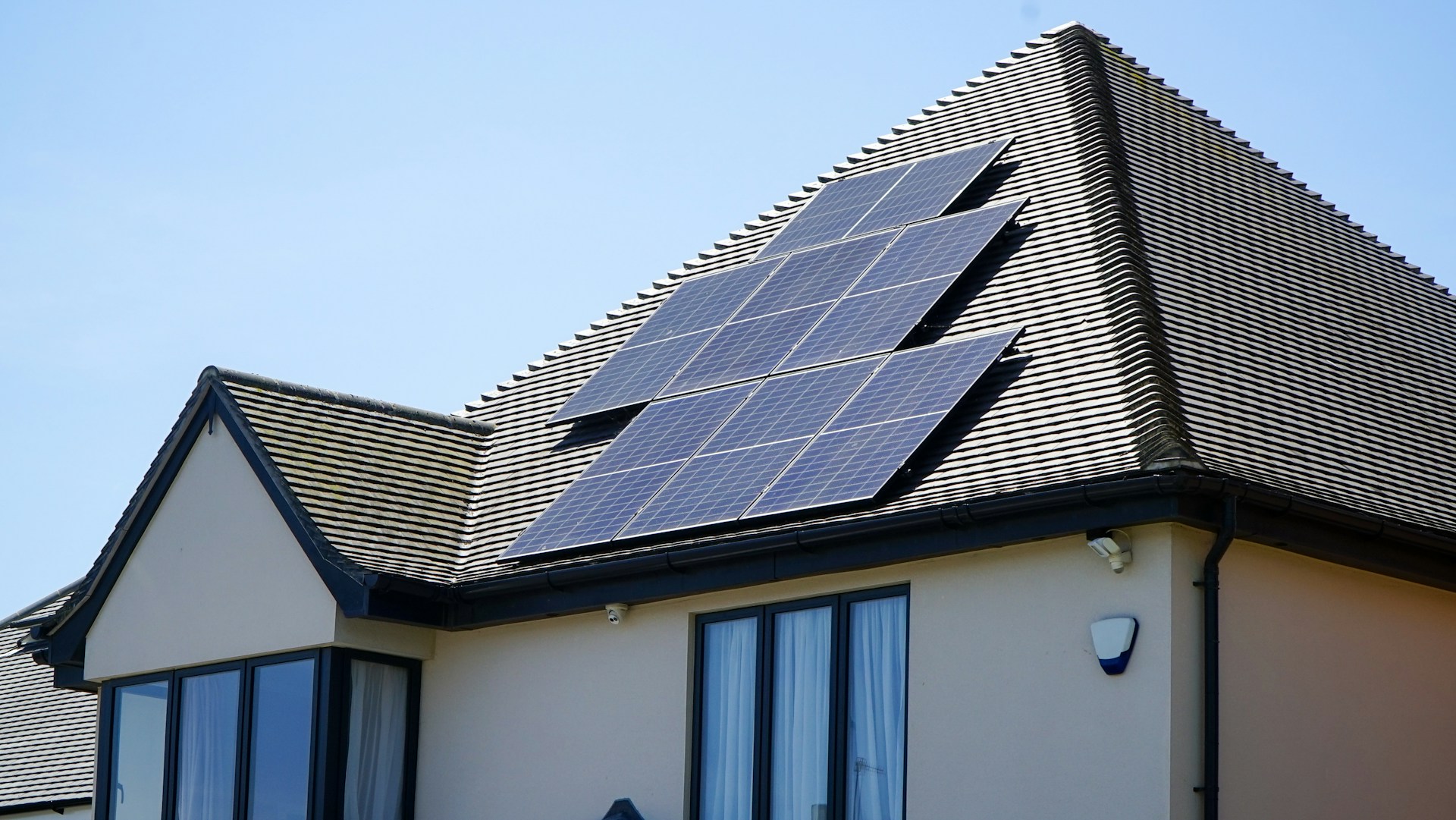
Solar-powered ecological homes are increasingly attractive in the real estate market. Buyers recognize the long-term savings and sustainability benefits of homes equipped with renewable energy systems. This demand translates into higher property values and faster sales compared to traditional homes. For developers, incorporating solar energy into building designs has become a strong selling point, signaling innovation, responsibility, and cost efficiency. As environmental awareness continues to grow, solar-powered properties will remain in high demand.
Supporting Long-Term Sustainability
Solar energy is not only about immediate cost reductions but also about long-term sustainability. Ecological constructions are designed to minimize environmental impact, and solar panels play a key role in achieving this objective. Unlike fossil fuels, solar power is abundant and renewable, making it an ideal solution for future-proofing buildings. By reducing reliance on external energy grids, solar-powered homes promote self-sufficiency and resilience, particularly in areas where energy supply is inconsistent or expensive.
Contribution to a Healthier Environment
The environmental benefits of solar energy in modern construction extend beyond individual buildings. Widespread adoption reduces air pollution, lowers greenhouse gas emissions, and conserves natural resources. When communities invest in solar-powered housing developments, the collective effect is significant, contributing to cleaner air and reduced strain on energy infrastructure. This shift not only supports global climate goals but also improves the quality of life in both urban and rural environments.
Solar energy has become a cornerstone of modern ecological constructions, offering benefits that go far beyond cost savings. It reduces dependence on fossil fuels, integrates seamlessly with smart building systems, enhances property values, and supports long-term sustainability. Most importantly, it contributes to the protection of the environment, ensuring a healthier planet for future generations. As ecological construction continues to evolve, solar energy will remain central to building a more sustainable, efficient, and responsible way of living.