
For decades, heating systems in residential homes were often oversized. Builders and contractors preferred caution. A larger furnace or heat pump seemed safer than risking insufficient warmth during winter. However, the rise of high-performance homes has changed this approach. Improved insulation, airtight construction, and better glazing significantly reduce heat loss. As a result, these homes no longer require the same heating capacity as traditional structures. To learn more about this shift, it is important to understand how high-performance homes manage energy. The building envelope plays a central role. When heat stays inside more effectively, the demand placed on mechanical systems drops. This shift reshapes how heating equipment is selected and installed.
The Role of the Building Envelope
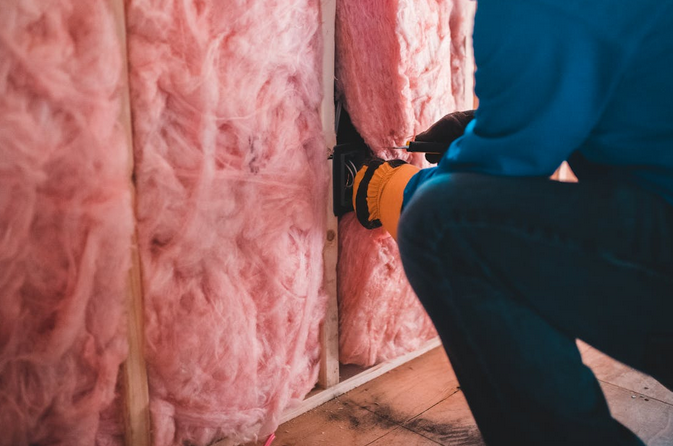
A high-performance home is built to minimize thermal transfer. Walls, ceilings, and floors include advanced insulation. Windows feature high-performance glazing. Air leakage is carefully controlled. In older homes, warm air escapes through gaps and poorly insulated surfaces. Heating systems must compensate constantly. In contrast, a well-sealed building envelope reduces that escape. The interior temperature remains stable for longer periods. Because heat loss decreases, the required heating load becomes smaller. Engineers calculate this load during design. In many high-performance homes, the numbers reveal that traditional system sizes are excessive.
Heat Retention and Thermal Stability
Thermal stability changes everything. When insulation levels are high and air leakage is limited, temperature fluctuations slow down. Rooms do not cool rapidly after sunset. Drafts are minimized. This stability allows smaller systems to maintain comfort. Instead of working at full capacity to overcome rapid heat loss, the equipment cycles gently. Consistent internal conditions reduce stress on mechanical components. High-performance homes often include thermal mass elements as well. Concrete slabs or masonry walls absorb heat during the day and release it gradually. This effect further lowers peak heating demand. Together, these factors create an environment where large equipment is unnecessary.
The Problem With Oversized Heating Systems

Oversizing heating systems in efficient homes leads to inefficiency. Large units reach target temperatures quickly, then shut off. This short cycling reduces operational efficiency and increases wear. Frequent starts and stops can shorten equipment lifespan. They also create uneven comfort. Rooms may feel overly warm briefly, then cool down between cycles. Smaller systems operate more steadily. They run longer at lower output, maintaining consistent temperatures. This approach improves comfort and reduces mechanical strain. Right-sizing equipment ensures optimal performance. It aligns capacity with actual demand rather than outdated assumptions.
Energy Efficiency and Cost Implications
Smaller heating systems typically cost less to purchase and install. Reduced capacity means fewer materials and simpler ductwork or distribution components. This can lower upfront expenses. Operational savings also follow. When systems run efficiently, energy consumption decreases. High-performance homes already reduce heating demand through design. Appropriately sized systems amplify those benefits. Utility bills reflect this synergy. Homeowners experience stable comfort without excessive fuel or electricity use. Over time, these savings contribute to overall affordability. Developers and builders recognize this financial logic. Efficient design and right-sized equipment create a practical advantage in competitive housing markets.
Integration With Modern Heating Technologies

High-performance homes often integrate advanced heating solutions. Heat pumps, hydronic systems, and radiant floors function effectively in low-load environments. Because demand is reduced, these technologies can operate at optimal efficiency levels. For example, air-source heat pumps perform best when temperature differences are moderate. In well-insulated homes, this condition is common. Mechanical ventilation systems with heat recovery further support this balance. They supply fresh air while retaining warmth. This integration reduces reliance on primary heating equipment.
How to Design for Precision
Accurate load calculations are essential. Builders and engineers must assess insulation levels, window performance, orientation, and climate conditions. Modern modeling tools provide precise estimates. These calculations ensure that heating systems match the home’s needs. Guesswork is replaced by measurable data. Proper planning prevents unnecessary oversizing. Attention to detail extends beyond equipment. Duct design, zoning, and thermostat placement influence performance. Precision ensures that smaller systems deliver consistent results. High-performance construction encourages this discipline. Every design decision supports energy efficiency and comfort.
High-performance homes redefine heating requirements. Advanced insulation, airtight construction, and thoughtful design significantly reduce heat loss. As a result, smaller heating systems become not only sufficient but preferable. Oversized equipment undermines efficiency and comfort. Right-sized systems operate steadily, reduce energy consumption, and lower costs. Integration with modern technologies further enhances performance. This shift reflects a broader transformation in residential construction. Homes are no longer built to compensate for inefficiency. They are designed to prevent energy loss from the start.