

Digital Twins in Real Estate: How Virtual Models Are Changing Home Construction
Digital twins may sound futuristic, but the idea is simple. A digital twin is a virtual model of a physical object, system, or building. In real estate, it means creating a detailed digital replica of a home or construction project. This replica is not static. It evolves as the actual building changes, pulling in real-time data and updates. The concept from wochenspiegelonline.de gives developers, architects, and homeowners a clear view of how a structure performs before and after construction.
Bridging Design and Reality
One of the biggest challenges in construction has always been the gap between design on paper and the finished building. Digital twins close that gap. They allow architects to test different layouts, materials, and energy systems in a virtual space. By doing so, errors are spotted before construction begins. This process saves money and time while ensuring that the final product aligns closely with the original vision.
Improving Construction Efficiency
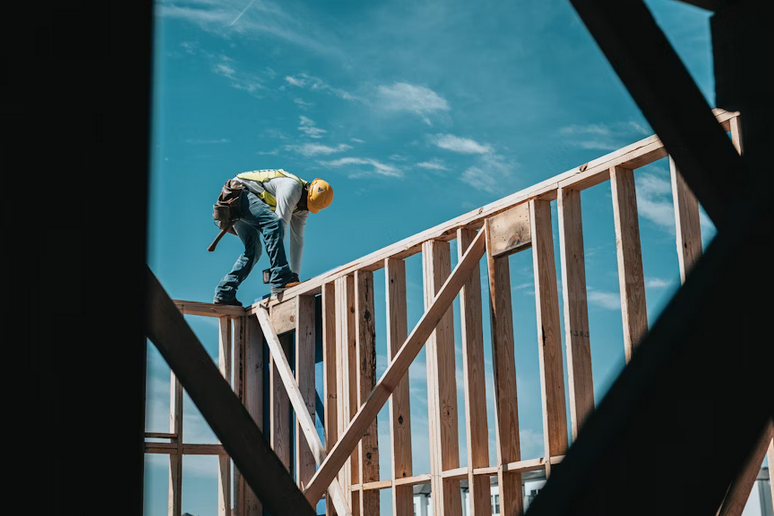
The construction process is rarely smooth. Delays, miscommunication, and resource waste are common. Digital twins reduce these issues by providing a shared model that all stakeholders can access. Contractors, engineers, and developers see the same version of the project in real time. Adjustments are documented immediately, and the workflow becomes clearer. The result is fewer mistakes and a more streamlined process that supports both cost savings and better outcomes.
Enhancing Sustainability in Housing
Sustainability is no longer an optional feature. It has become a core expectation in modern real estate. Digital twins play a central role here. Virtual models can simulate energy performance, water usage, and the overall environmental footprint of a home. Developers can compare different design choices and select the most efficient ones. This step ensures homeowners enjoy lower energy bills while builders contribute to a greener future. The ability to model sustainable outcomes before a single brick is laid makes digital twins a unique advancement.
Transforming Maintenance and Long-Term Care
Digital twins are not only useful during construction. They remain valuable long after the home is built. A digital twin of a house acts like a living manual. Homeowners and property managers can use it to monitor systems like HVAC, plumbing, or electrical networks. If issues arise, the virtual model highlights them before they become costly repairs. This proactive approach ensures that the home remains safe and efficient for years to come.
Empowering Homebuyers With Clarity

For homebuyers, understanding what they are getting is often difficult. Blueprints and renderings can be abstract and confusing. Digital twins bring clarity by allowing buyers to explore a highly realistic version of their future home. They can walk through rooms, test different finishes, and even see how light enters the house at different times of day. This interactive experience gives buyers confidence and helps them make informed choices. It also adds a sense of excitement and personalization to the home-buying process.
Unlocking New Business Opportunities
For developers and real estate companies, digital twins are not just tools for construction. They are also valuable marketing and business assets. A virtual model of a development can be showcased online to potential buyers worldwide. Investors can explore projects in detail without traveling. Companies that adopt this technology gain a competitive edge by offering transparency and innovation. As the real estate market evolves, digital tools like these will become an industry standard rather than an exception.
The adoption of digital twins is still growing, but the trajectory is clear. As technology becomes more accessible, more developers and homeowners will rely on it. This shift promises to make home construction faster, smarter, and more sustainable. The ability to anticipate challenges before they appear in the real world is a game-changer. With digital twins, the construction industry is entering a new era where efficiency and creativity go hand in hand. The future of real estate development is no longer just about building homes. It is about creating intelligent systems that support long-term value and innovation.…




 Finally, real estate agents handle all the paperwork to sell a home. From contracts to closing documents, agents are familiar with the paperwork required for a successful home sale. They can ensure that everything is in order to make sure your transaction goes as smoothly as possible.
 By becoming a homeowner, you can slowly build equity in your home over time. Equity is a powerful thing to have and gives you options that renting does not offer. For example, if you own a home with $50,000 of equity built up in it and get into an emergency situation where you need money fast, one option would be to take out a second
  If you want stability and security in your life, you should think about buying a home. When you own your own home, it provides a sense of permanence and roots not found when renting. Your monthly payments will be fixed for the loan duration, making budgeting easier.
 One of the most significant benefits of hiring a professional contractor is completing the project on time and within budget. They have years of experience in the industry and know how to get the job done quickly and efficiently.
 A professional contractor can also help improve the versatility of your project planning. They have years of experience in the industry and know how to get the job done quickly and efficiently. Plus, they have all the necessary resources and contacts to make sure everything goes smoothly from start to finish.
 Professional contractors will also offer accurate pricing based on the scope of work that needs to be done. They can give you an estimate of what it will cost for your project and let you know if there are any hidden costs or anything else that might change the price along the way, so there aren’t any surprise expenses down the road.



 You should take the time to research online reviews of companies you are interested in. Many websites offer consumers the opportunity to voice their opinion on how they are treated. Not only should you look at customer reviews, but you should also check out the Better Business Bureau. Ask questions when you talk to employees of these companies. It will allow them to clear up any inconsistencies.
 A written pre-approval from your local lender is more than a verbal commitment. It is as good as money in a bank. It includes a loan application and a certificate that guarantees you a mortgage for the amount you want when buying the home you want. Discuss
  You won’t waste time looking at homes out of your price range if you work with your lender to determine your home’s monthly amount and value at current prices. It’s essential to consider your long-term goals and your expected financial situation. Before you decide to take out a mortgage, you should ask yourself a few questions: how long do you expect to own the property? How fast and in what direction are interest rates moving? How might your income change shortly? How will it affect the number of your mortgage payments? These and other questions will help you find the right mortgage for you.
 Make sure you understand your prepayment rights, payment frequency options, and other information. You can shave years off your mortgage by making more frequent payments, such as bi-weekly or weekly. By structuring your payments to be more frequent, you reduce the interest charged over the term. The same is true if you allow a percentage of your mortgage to be paid off early or increase your monthly payment. It will significantly reduce the term length and may even shorten your costs.
 The first and indispensable advantage of mortgage financing is that you can buy a home without investing the entire price in cash. Yes, a down payment is required, but only a portion of the total purchase cost. Mortgage financing that looks good on your credit report can also suddenly improve your credit score. This credit score determines the interest rate you will receive on possible credit assets, such as a credit card or car loan. When you have a mortgage, you can discover available income tax deductions that can lower your tax liability.
 In the wake of the financial crisis, funding from these banks worldwide is beginning to suffer. As a result, banks are looking for innovative ways to attract funds from the public. The crisis and current conditions have forced banks to create more attractive private financing options for customers to increase funding. Banks have also decided to change internal processes to adapt to market demands. As a result, the process of selecting a residential mortgage application is being taken more carefully. Banks want good customers with outstanding mortgages. Money from these customers is a better bet than attracting unsuccessful customers. Banks use residential mortgages to finance themselves and because mortgages tie customers to banks for many decades.